You May be Losing $50,000+
Every Year to Preventable Energy Waste
Learn More With Our FREE Energy Assessment
A Lot Is At Stake
Make sure you’re protected by making sure your facility is properly insulated. Get a free expert energy assessment and learn what you can do to save significant money from proper insulation.
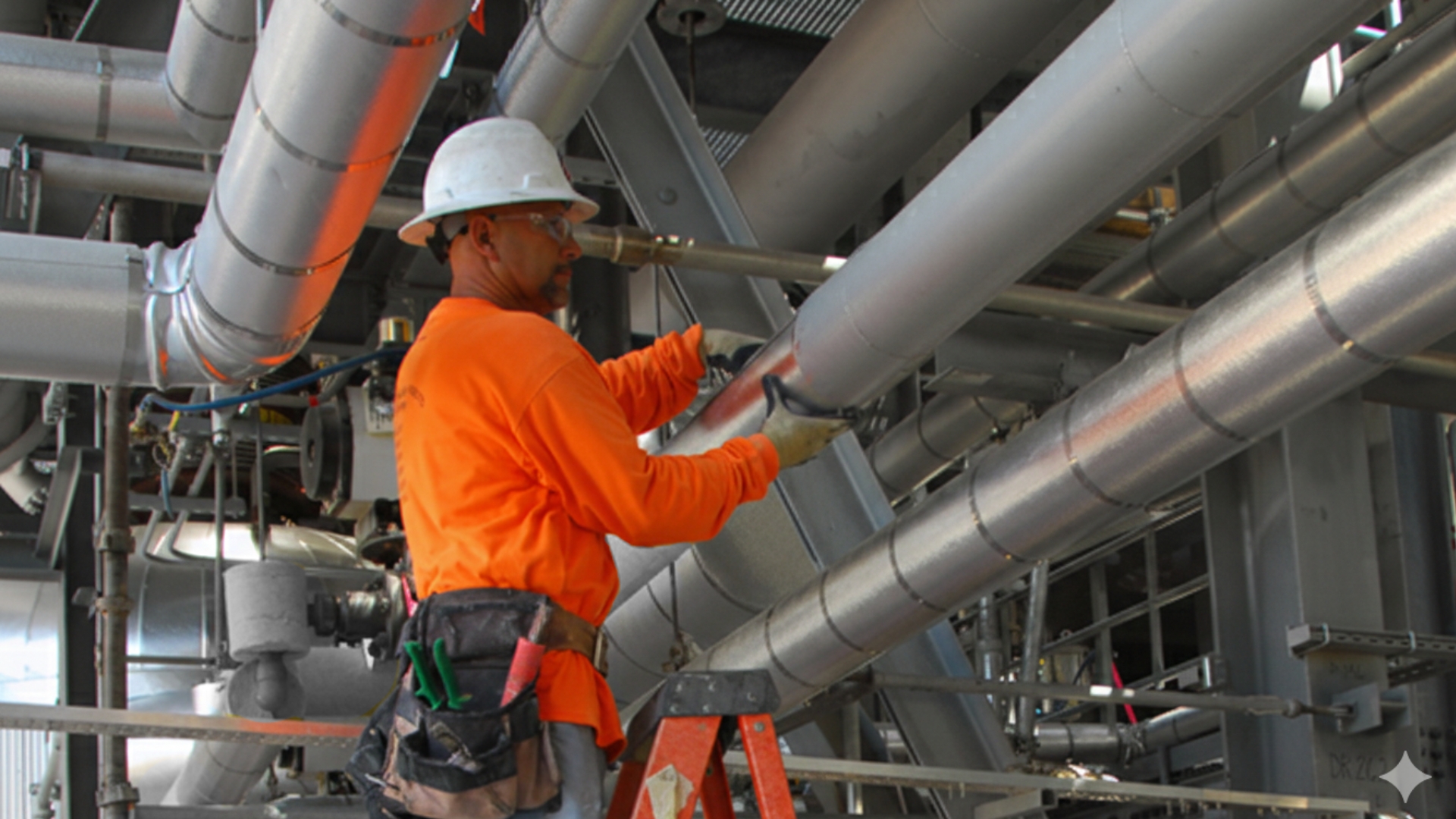
Know Your Hidden Risks
Most facilities managers rightly focus on energy costs. But the bigger risks are equipment failures, compliance violations, and operational disruptions which can cost up to 10X of your energy bills.
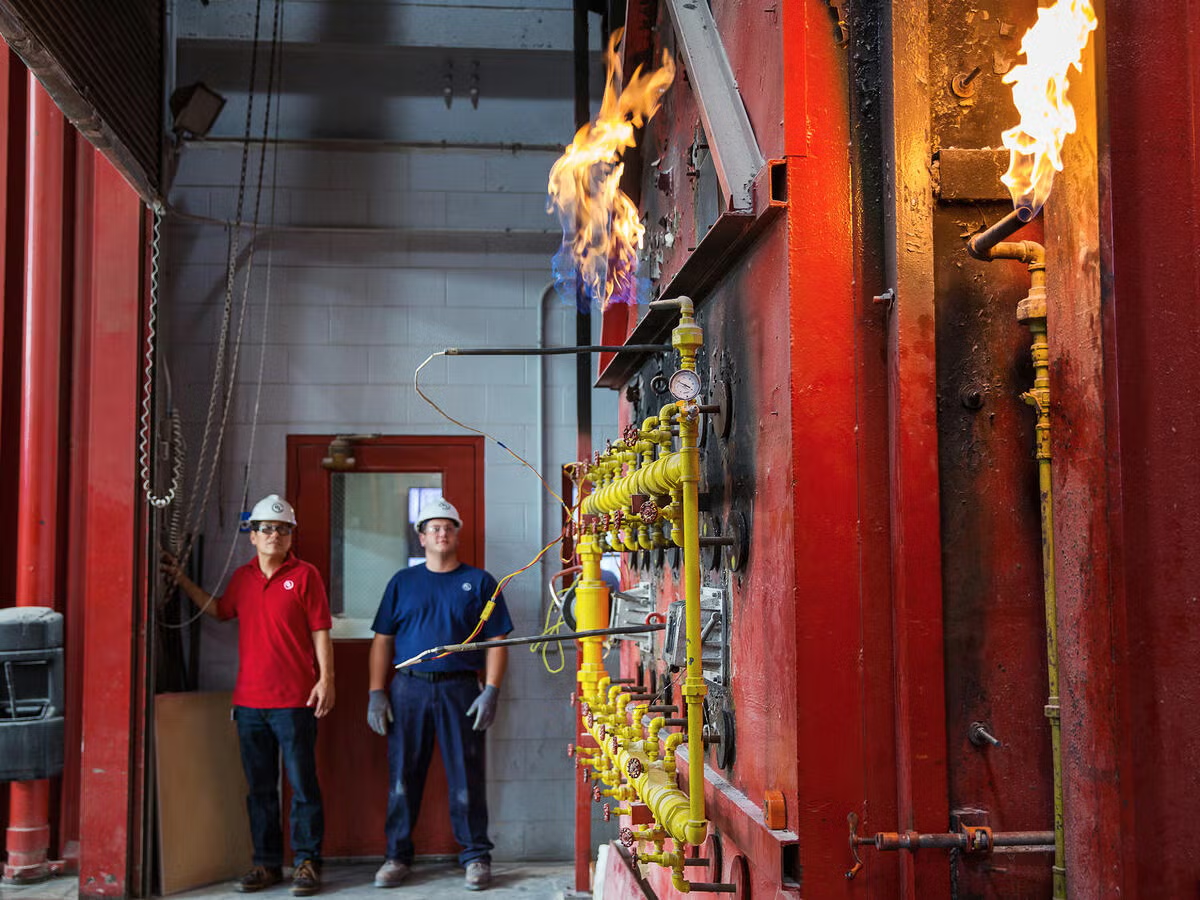
Financial Risks
Energy Waste
$2.85 per square foot - Average annual energy loss in Orange County commercial buildings with aging insulation (Source: California Energy Commission, 2024)
15-30% typical waste - Buildings with outdated insulation systems lose this much energy unnecessarily
Rising California utility rates - Every year you wait, the annual cost increases
The Real cost
A 100,000 sq ft facility loses $285,000+ annually
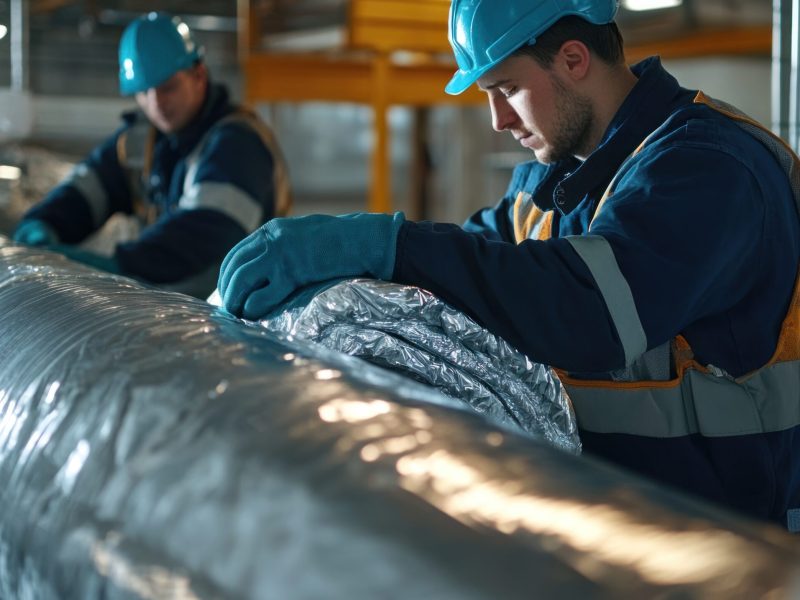
Operational Risks
Equipment Failure
$125,000 average cost - Commercial HVAC chiller system replacement (Source: U.S. Department of Energy)
40-60% higher failure rate - HVAC equipment fails more frequently when mechanical insulation is inadequate (Source: ASHRAE)
3-5 years of lost equipment life - Improper insulation causes premature wear
Production/operational downtime - Equipment failures don't happen during convenient times
The Real cost
One chiller failure costs more than 10x the price of proper insulation.
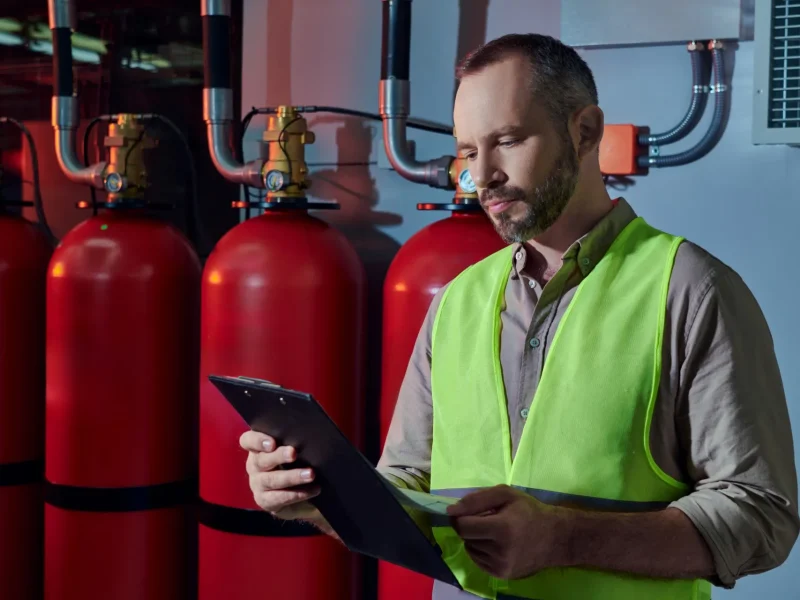
Compliance Risks
Code Violations
Title 24 compliance deadlines - California's energy efficiency standards updated every 3 years
Fines up to $5,000 per violation - Non-compliance penalties add up quickly
Permit denials - Projects can't proceed without meeting code requirements
Rebate disqualification - Non-compliant projects don't qualify for utility incentives (losing 15-25% of funding)
The Real cost
Penalties, delays, and lost funding opportunities
Supporting Statistics
40-60%
Higher equipment failure rates with inadequate mechanical insulation
Source: American Society of Heating, Refrigerating and Air-Conditioning Engineers (ASHRAE)
10X
Chiller replacement is often 10× an insulation upgrade
Source: U.S. Department of Energy
3-5 years
Added equipment life with proper mechanical insulation
Source: National Insulation Association
How Does Your Facility Measure Up
Let our experts help. With a free Energy Assessment, you’ll have a roadmap of where you’re exposed along with the specs for how to address the issues. Click the button below to start the process of getting your free energy assessment today.
The On-Site Process
What Happens?
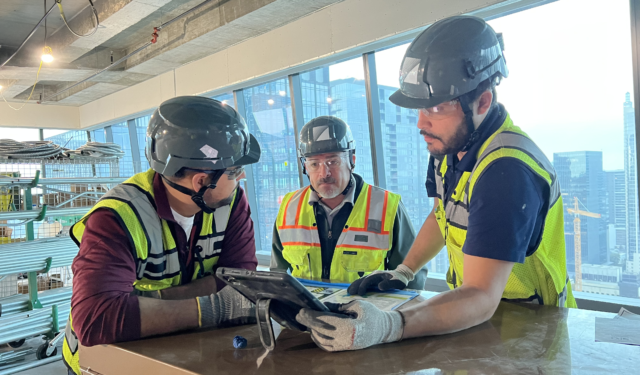
Initial Consultation & Goal Setting: The auditor will meet with the facility manager to discuss, current energy concerns, hot/cold spots, and specific maintenance goals.
Physical Inspection (Walkthrough): Experts will inspect mechanical rooms, piping, ductwork, and equipment to assess existing insulation for damage, gaps, or lack of proper insulation.
Thermal Imaging Scan: Using specialized infrared cameras, the auditor will take images of pipes, tanks, and HVAC equipment to detect hidden heat loss, areas with missing insulation, or thermal inefficiencies.
Data Collection & Documentation: The team will document the type and size of systems, measure areas for potential insulation, and take note of damaged insulation.
Safety & Compliance Review: The assessment checks for proper safety standards and compliance with, or need for, insulation upgrades.
What To Expect
Professional Expertise: The auditors are trained professionals (often union members) specialized in mechanical insulation.
Actionable Report: The facility manager will receive a detailed report outlining identified issues and recommendations for improvement.
ROI Analysis: The report typically includes a calculation of the potential return on investment (ROI), often showing that repairs pay for themselves within six months to two years.
No High-Pressure Sales: The focus is on providing an educational, expert evaluation rather than an immediate sales pitch.
Zero Disruption: The assessment is a non-invasive walkthrough and inspection.
How Long Does The Visit Last?
Average Duration: A typical industrial/commercial energy assessment takes approximately 3 to 4 hours.
Factors Affecting Time: The size of the facility, the complexity of the mechanical systems, and the number of areas requiring detailed thermal imaging can affect the total duration.
Prepare for the Visit
Provide Access: Ensure all mechanical rooms, crawl spaces, and equipment areas are accessible.
Gather Utility Data: Having 12 months of energy bills (electricity/gas) available can help the auditors establish a baseline for energy performance.
Highlight Problem Areas: Inform the inspector of known, chronic issues (e.g., "that steam pipe is always hot," or "that room never gets cold").
Peace of Mind Indicators
Heat & Frost Insulators Local 5 has a long history of helping organizations like yours. The FREE Energy Assessment identifies where you’re losing energy and taking on risk. Local 5 union contractors deliver the upgrades that solve it.
100+ years preventing equipment failures through proper insulation
Union-certified IWHFI installers (ongoing training guaranteed)
Zero disruption to your operations during installation
Free assessment with thermal imaging included
Free Energy Assessment
Fill out the form and we will reach out to schedule our thorough, fast, and free energy assessment.
Return On Investment
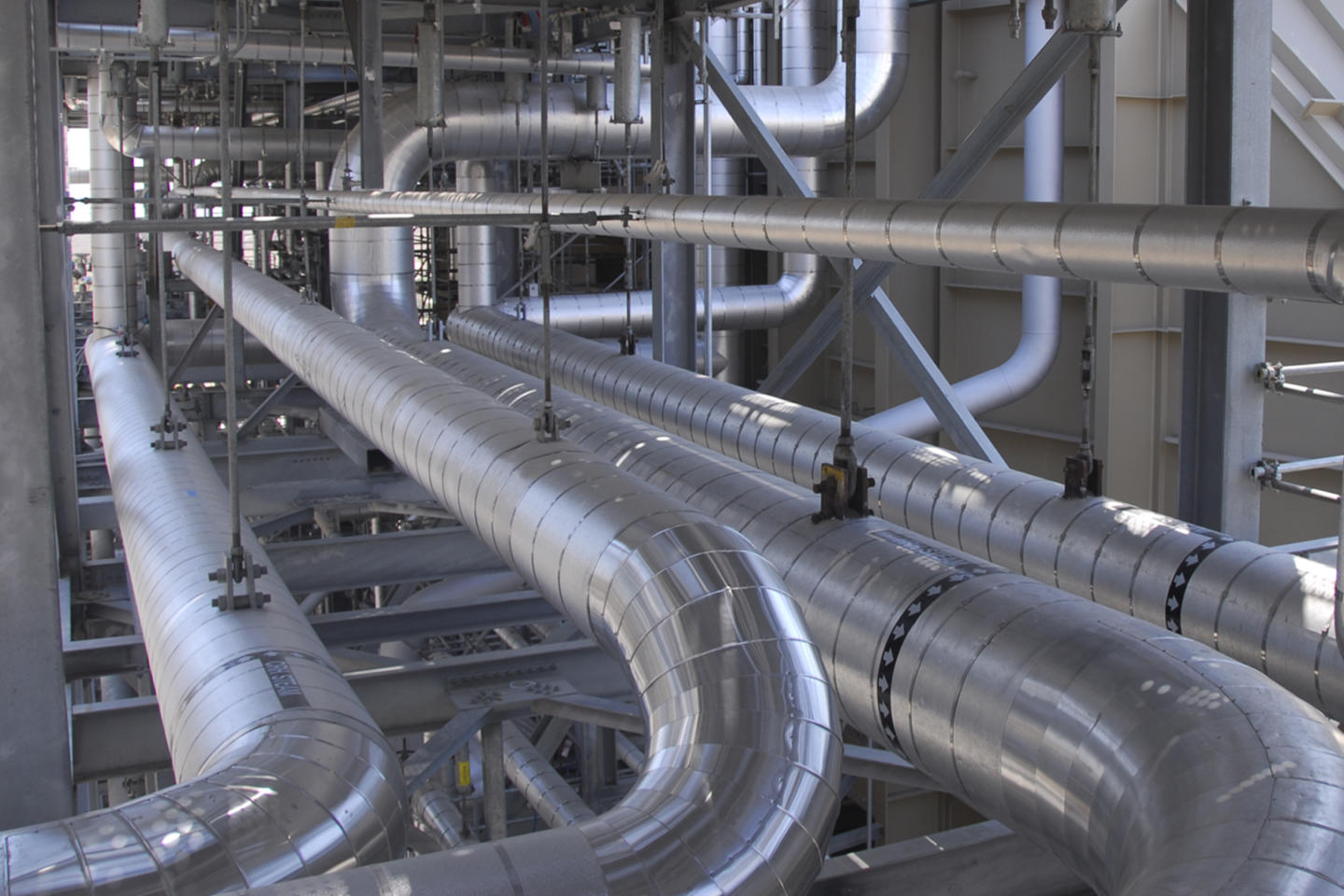
A properly designed and installed insulation system delivers strong ROI and fast payback through reduced energy use. In both new construction and existing facilities, effective insulation improves energy efficiency immediately and can drive significant cost savings. Local 5 members and affiliated union contractors (hyperlink to union contractor page) are equipped to help buildings and facilities operate more sustainably.
The National Insulation Association estimates that maintaining insulation in industrial facilities can generate more than $3.6 billion in annual energy savings and reduce 83 billion pounds of CO₂.
Sustainability Measures