
Commercial &
Industrial Insulation
What is commercial and industrial insulation?
Commercial and industrial insulation refers to materials and installation techniques that minimize heat transfer, reduce energy consumption, and protect mechanical systems in commercial buildings, large‑scale industrial facilities, and complex infrastructure. Insulation can also assist with temperature control, condensation management, noise reduction, and code compliance in high‑performance environments.
Why it Matters?
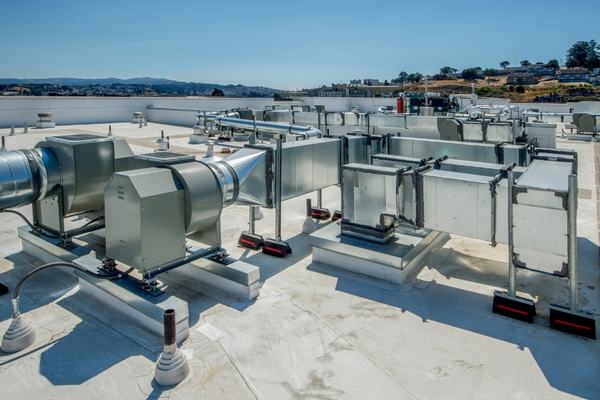
Energy Efficiency
Reduces heating/cooling losses and utility costs
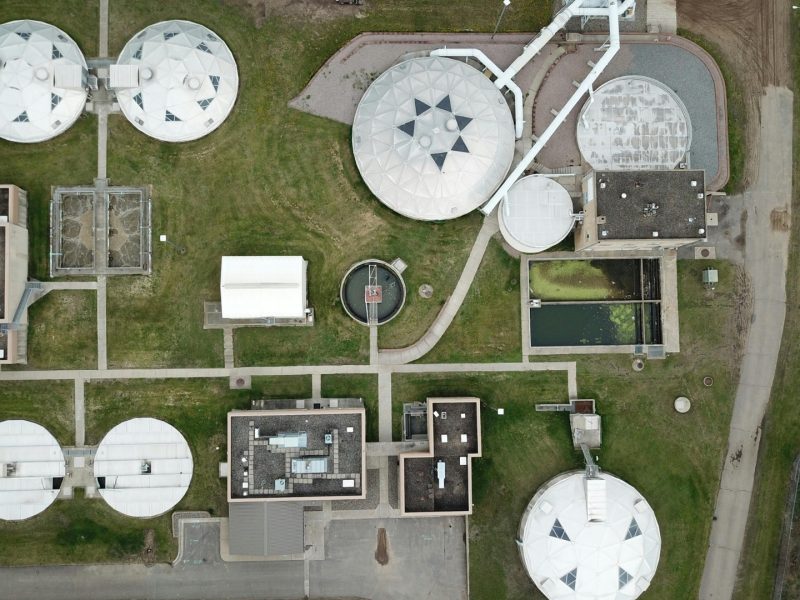
System Protection
Helps control condensation, corrosion under insulation (CUI), and thermal stress
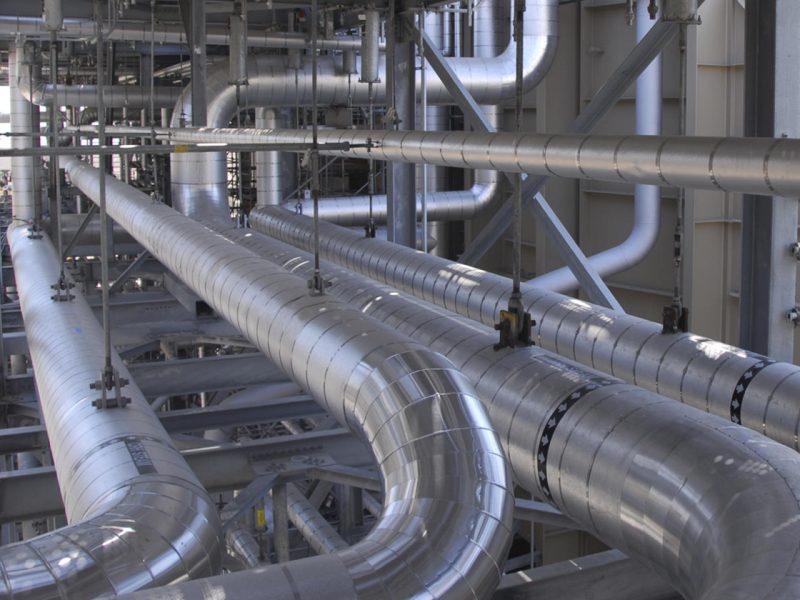
Operational Comfort
Stabilizes interior temperatures and improves acoustics
Our Insulation Services
From planning and specification through professional installation and quality documentation, we support commercial and industrial teams with comprehensive insulation solutions.
Pre‑installation review + coordination with project teams
Insulation specification support for project requirements
Thermal and acoustic insulation installation for new and retrofit projects
Moisture and condensation control solutions
Documentation and quality assurance
Support for inspections & closeout deliveries
FEATURED CASE STUDY
School District– Niagara Falls, New York
The Problem
A Niagara Falls school district needed a clear, data-driven view of how well mechanical insulation was performing across multiple facilities. Small gaps from wear and maintenance were driving avoidable heat loss, higher energy costs, and increased emissions.
The Approach
Heat & Frost Local 5 conducted a district-wide Insulation Energy Appraisal, combining systematic field inspections with thermographic imaging to uncover visible and hidden heat loss. Findings were modeled to prioritize upgrades with the strongest cost and carbon impact.
The Result
Using a FLIR thermographic camera and detailed condition/temperature/footage documentation, the team analyzed performance in 3E Plus against upgraded standards. Certified IEAP / ITC Level 1 / 3E Plus-trained professionals delivered a cost-benefit roadmap for targeted insulation improvements.
12,247,328 Kbtu or 12,921.62 GJ /year
Total annual heat loss identified
$338,200
Estimated five-year energy cost savings
9.9 years
Simple payback period
7.9%
Internal Rate of Return (ROI)
$683,440
Net Present Dollar Value
873.40MT/yr
Annual CO₂ emissions reduction
Codes, standards, and documentation
Insulation performance must align with industry and project standards for energy, fire safety, and building performance. Our teams install insulation that meets or exceeds requirements for thermal resistance and system integration, and we create clear documentation to support project closeout and inspections.
FAQ
What types of insulation do you install?
We work with thermal, acoustic, mechanical, and specialty insulation solutions tailored to project requirements.
Do you handle retrofit insulation projects?
Yes — we assess existing systems and install or upgrade insulation as needed.
How does insulation help reduce energy costs?
By minimizing heat transfer and stabilizing interior temperatures, insulation reduces strain on HVAC systems and energy usage.
Can insulation help with noise control?
Yes — acoustic insulation strategies support quieter interior environments.