
Asbestos, Lead & Mold Abatement
What is asbestos, lead & mold abatement?
Abatement refers to the safe identification, removal, encapsulation, and disposal of hazardous materials such as asbestos, lead‑based paint, and mold from commercial, institutional, and industrial buildings. These services are critical for minimizing exposure risks, maintaining healthy environments, and complying with local, state, and federal regulations.
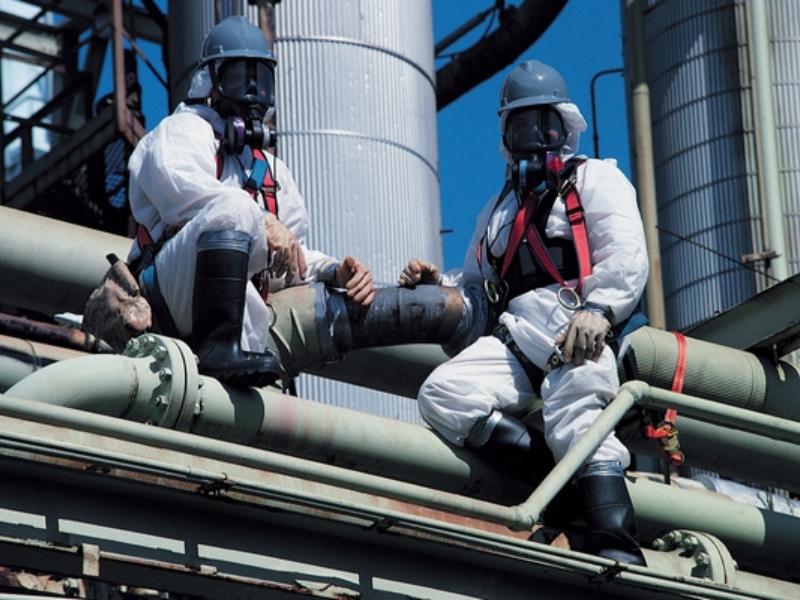
Why abatement matters?

Occupant Health
Minimize exposure to hazardous substances
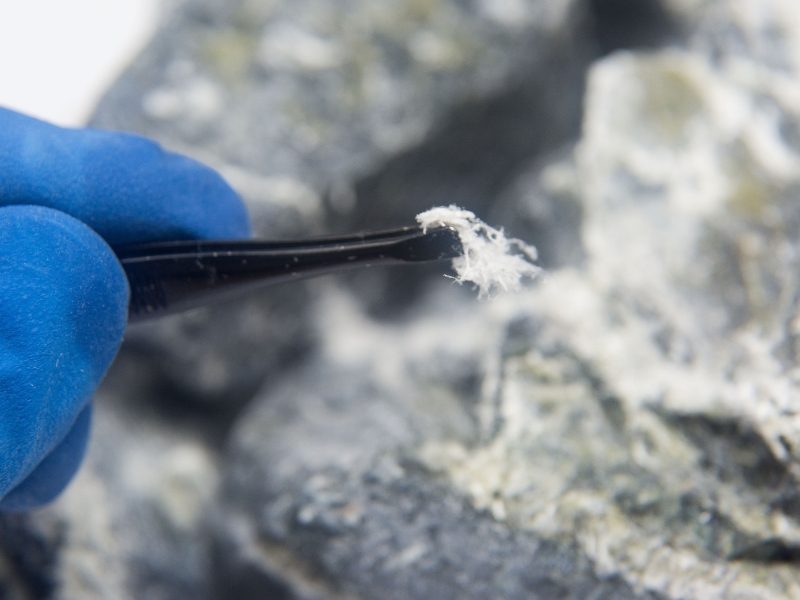
Regulatory Compliance
Support AHERA, OSHA, EPA and local requirements
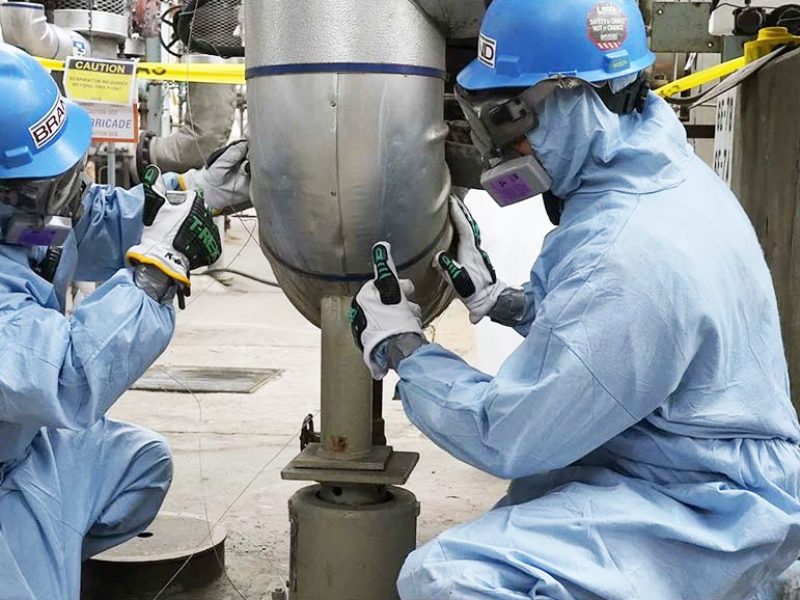
Operational Continuity
Efficient, scheduled abatement with minimal disruption
Our Abatement Services
From thorough assessments to removal and clearance testing, HNF Local 5 delivers comprehensive abatement services that protect people and projects.
Hazardous material surveying & testing (pre‑renovation/site evaluation)
Asbestos abatement & encapsulation
Mold remediation and corrective controls
Containment setup and negative‑pressure systems
Post‑abatement clearance testing and air monitoring
Regulatory documentation & compliance reporting
Codes, standards, and documentation
Codes and standards for abatement aren’t suggestions. They’re enforceable requirements tied to permits, inspections, and closeout. HNF Local 5 follows OSHA, EPA, and AHJ requirements with disciplined procedures for containment, clearance, and documentation. Because not all contractors operate with the same compliance rigor, union-trained crews help reduce risk and keep your project inspection-ready.
FAQ
What’s the difference between abatement and remediation?
Abatement refers specifically to safe removal or control of hazardous materials; remediation often includes broader corrective actions like moisture control or structural fixes.
Do you provide air quality clearance testing?
Yes — certified professionals perform post‑abatement testing to verify the area meets safety standards before re‑occupancy.
Is abatement required for all renovation projects?
If hazardous materials are present, regulations require appropriate abatement before disturbance — especially for schools, hospitals, and older buildings.
How do you keep occupants safe during abatement?
Through containment, negative pressure systems, PPE, monitored airflow, and step‑by‑step verified clearance.
What documents do you provide at project end?
Survey reports, disposal manifests, clearance certificates, and compliance documentation.