
Firestop
Compartmentation
What is Firestop Compartmentation?
Firestop compartmentation is the practice of sealing openings and joints in fire-rated walls and floors so fire, smoke, and toxic gases are contained to the area of origin. When mechanical/electrical, plumbing, and communications systems pass through rated assemblies, the integrity of that rating must be restored using tested firestop systems.
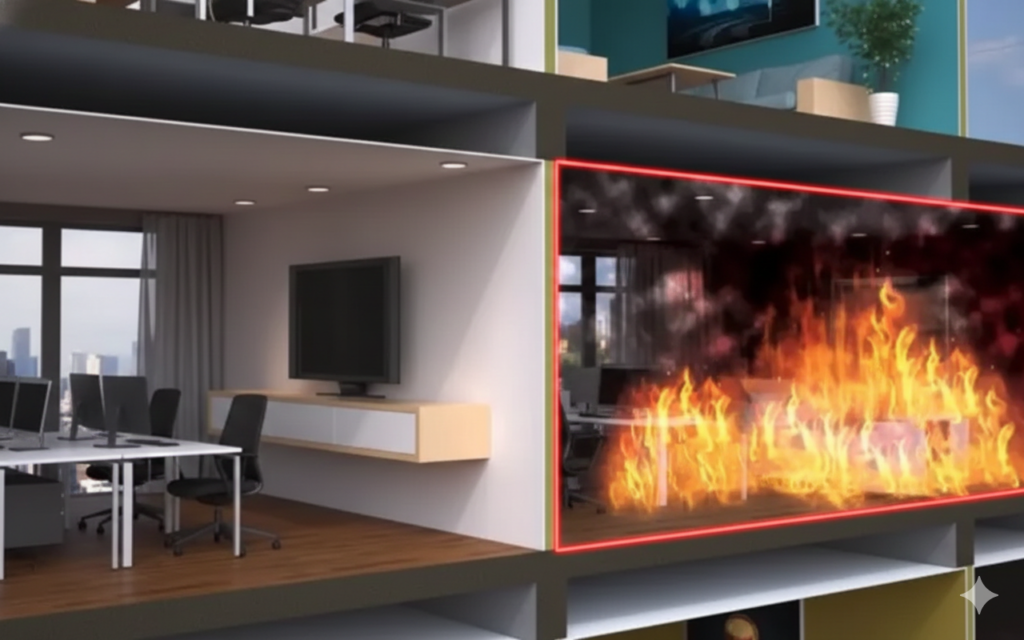
Why it Matters?
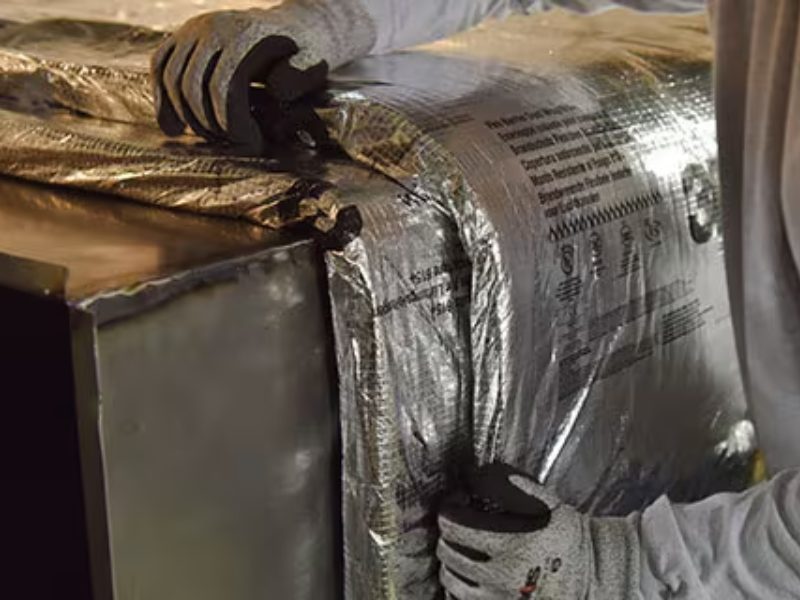
Life Safety
Limits fire/smoke spread across rated assemblies

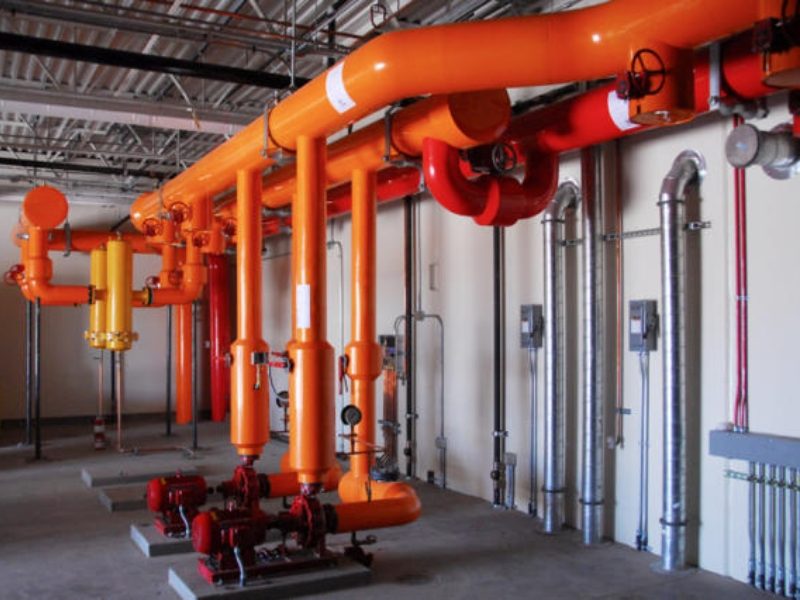
Code + Risk Reduction
Supports AHJ inspections and reduces rework
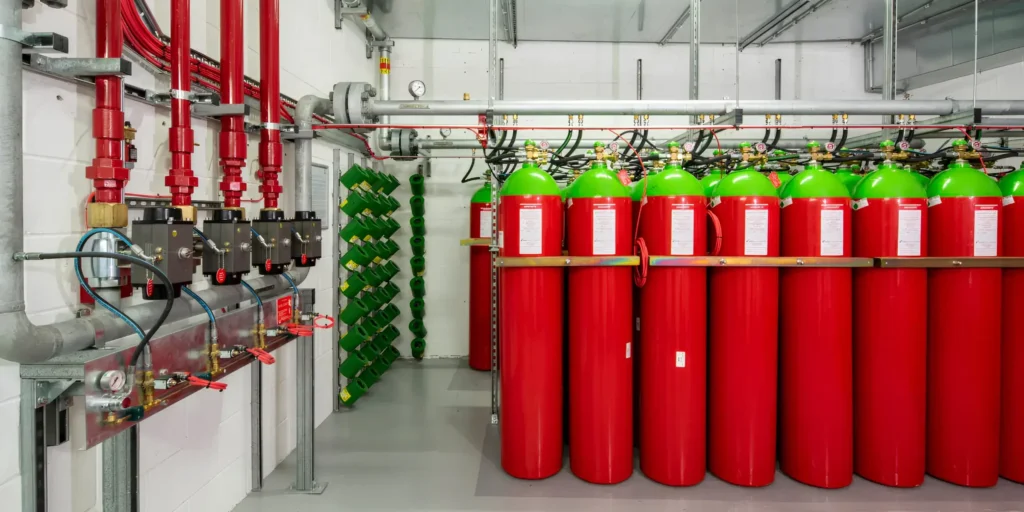
Project Clarity
Labeled systems + documented installs for closeout
Our Firestop Services
From planning to punch-list, we deliver firestop that’s coordinated, installed correctly, and ready for inspection.
Scope review + coordination with trades (MEP, GC, owner reps)
System selection support (tested systems appropriate to the condition)
Installation of firestop systems for penetrations and joints
Identification + labeling to match approved systems
Photo documentation + reporting for closeout packages
Punch-list response and repair of compromised firestop conditions
Protect lives and property with code-compliant firestopping that maintains fire and smoke-rated assemblies—installed, labeled, and documented by trained professionals.
Send drawings or schedule a site walk. We’ll help confirm scope and documentation needs.
FAQ
What’s the difference between firestopping and fireproofing?
Firestopping seals openings/joints to maintain rated assemblies; fireproofing protects structural elements to achieve a rating.
Do you handle mixed penetrations (cables + conduit + pipe)?
Yes—conditions are matched to tested systems and installed accordingly.
How do you support inspections?
We label systems and provide documentation (photos/logs) aligned to project needs for easier verification.
Can you fix damaged or missing firestop in existing buildings?
Yes—retrofit and maintenance scopes are common, especially after MEP changes.
What do you need to quote the job?
Drawings/specs if available, location, building type, timeline, and access constraints; site walk helps for retrofit.